

- Visa
- Apply abroad before arrival
- Permit
- Register with PDI in 30 days
- RUT
- Required for financial activities
- Cédula
- Necessary for rentals and services
What visa do I need before moving to Santiago?
If you're planning to move to Santiago, securing the right visa before you arrive is crucial. Entering Chile on a Permanencia Transitoria permit might seem like an easy option, but it's not designed for long-term stays. This permit allows you to stay in the country for up to 90 days and is extendable once, but it comes with a catch: it costs USD 46 per day and can't be converted into a residency visa while you're in Chile.
To live in Santiago, you need to apply for a residency visa at a Chilean consulate abroad before your arrival. This process ensures you have the appropriate legal standing to settle in the city. Attempting to sort out residency after landing in Santiago can lead to complications, as the initial tourist permit won't suffice for anything long-term.
Why Residency Matters
Having a residency visa isn't just a formality. It opens up practical aspects of daily life, like securing long-term accommodation. Many landlords are hesitant to rent to those without a RUT, Chile's tax identification number, which you can only obtain with residency status.
Moreover, services and subscriptions, whether it's a mobile SIM card or public transport pass, often require a cédula de identidad and RUT. These are essential for everything from accessing healthcare to setting up utilities. Without them, even something as simple as getting a phone plan can become a headache.
In summary, sorting your visa before setting foot in Santiago saves a lot of time and trouble. Once you're there, you'll be able to focus on settling in and enjoying your new home.
Your First Month, in Order
Register with PDI
Within 30 days of arrival, visit the Policía de Investigaciones to register your visa. Booking an appointment early is advisable.
Obtain Your Cédula
Take your PDI registration certificate to the Registro Civil to get your cédula de identidad for foreigners.
Get Your RUT Online
Register for a RUT through the SII portal, as it's essential for financial activities and some rental agreements.
Consider ClaveÚnica
Registering for ClaveÚnica can speed up various processes, but keep in mind it may take a few days to activate.
Sort Out Your SIM
A local SIM card often requires a cédula and RUT. Here's how to get online quickly.
What normally trips people up?
Moving to Santiago, like any international relocation, comes with its fair share of potential pitfalls. One common mistake is assuming that a tourist permit can be converted to a residency visa once you're in Chile. Unfortunately, this isn't possible, so it's crucial to apply for your residency visa at a Chilean consulate before you arrive.
Another frequent hurdle is underestimating the importance of securing a RUT (Rol Único Tributario). Without it, you might struggle to rent a long-term apartment, sign up for various services, or even purchase a SIM card plan. Many landlords and service providers require this tax ID as a part of their standard procedures.
Timing can also be a challenge. Upon arrival, you have 30 days to register your visa with the Policía de Investigaciones (PDI) and subsequently obtain your cédula de identidad from the Registro Civil. This process can be delayed if you don't book appointments early, as slots fill up quickly. Using ClaveÚnica can streamline some of these processes, but remember that registration for ClaveÚnica itself can take a few days.
Lastly, don't overlook the need for a cédula when it comes to everyday transactions. Whether it's getting a mobile phone plan, setting up internet, or buying tickets for events, having this ID can save you a lot of hassle. Plan ahead to ensure you have all necessary documents ready, and you'll find settling in Santiago much smoother.
What costs are mandatory when moving?
When moving to Santiago, it's important to budget for several mandatory costs that come with the relocation process. First up are the fees associated with securing the right visa. Many people enter Chile on a Permanencia Transitoria permit, which costs USD 46 per day. If you need to extend this permit, there's an additional fee of USD 100. However, for those looking to stay longer, applying for a Residencia Definitiva is a common path, with an application fee set at CLP 142,726.
Beyond visas, there are costs tied to settling in. Securing a place to live can be challenging without a RUT, Chile's unique tax identification number. This number is often required not just for long-term rentals, but also for utilities, subscriptions, and even some mobile plans. Landlords are generally unwilling to offer leases to those without this important document.
Once in Santiago, you'll need to register with local authorities. This includes scheduling appointments with the PDI and Registro Civil, both of which can fill up quickly, so early booking is advised. While some of these services are free, having a ClaveÚnica, a single digital password for accessing various Chilean government services, can streamline many processes. However, it's worth noting that setting up your ClaveÚnica may take a few days, so plan accordingly.
For a broader understanding of living costs in the city, consider checking out our guide on the Cost of Living in Santiago to help plan your budget effectively.
Choosing Where to Live
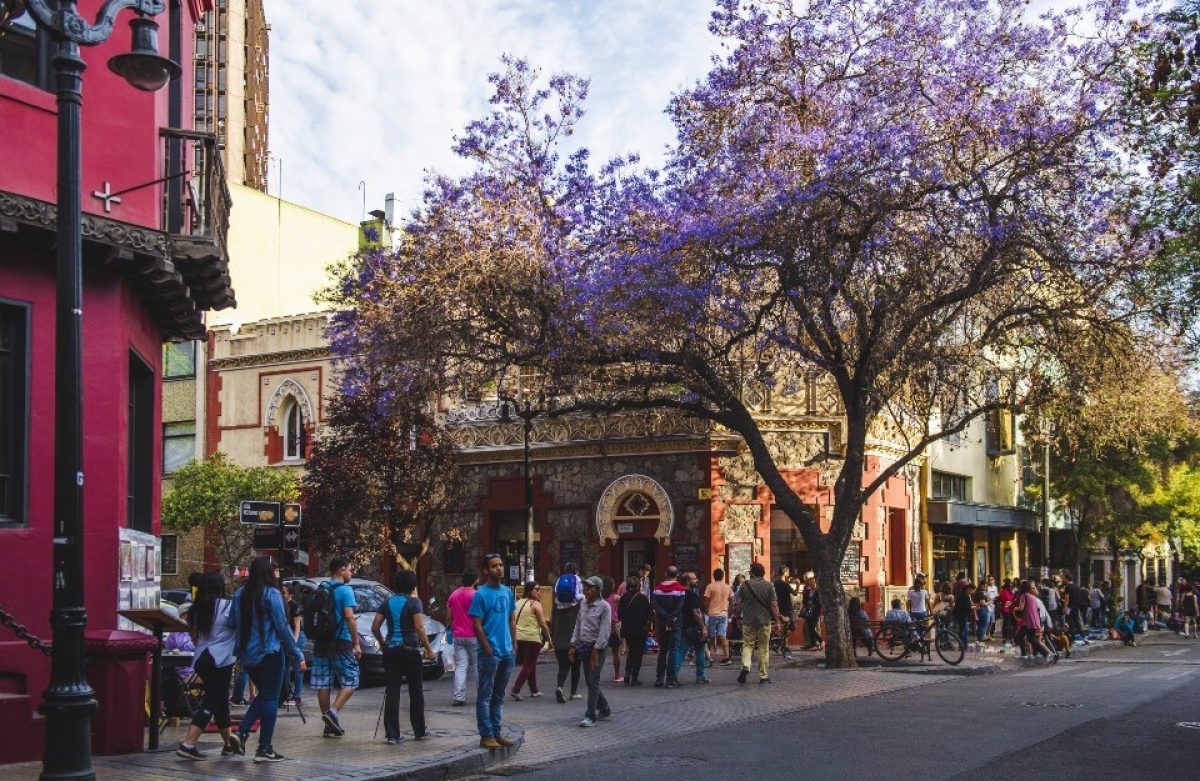
Santiago is a city of distinct neighbourhoods, each with its own vibe and quirks. From the bustling streets of Providencia to the suburban calm of Las Condes, your choice will shape your daily life. Providencia offers a blend of residential and commercial spaces, making it ideal for those who enjoy city living with all amenities close by. Las Condes, on the other hand, provides quieter surroundings and is popular among families looking for more space and greenery.
If you're into arts and culture, Barrio Italia and Bellavista are vibrant areas full of character, with plenty of cafés, galleries, and nightlife. These neighbourhoods attract a younger crowd and those who enjoy a creative atmosphere. For a more traditional Chilean experience, Ñuñoa offers a relaxed pace with its parks and local markets, appealing to those who prefer a more laid-back lifestyle.
When choosing where to live, consider factors like proximity to work or school, accessibility to public transport, and your budget. Some landlords prefer tenants with a RUT, so having your paperwork in order can be an advantage. For more insights on Santiago's neighbourhoods, check out The city locals actually use.
Read These Alongside
- Chilean Visas and the RUTUnderstand the visa process and how to get your RUT.
- The Cost of Living in SantiagoGet a realistic view of expenses in the city.
- Banking in Chile, as a foreignerLearn how to open a bank account and manage finances.
- Getting Online on day oneFind out how to get connected quickly after arrival.
- Is Santiago Safe? An honest answerRead about safety tips and what to expect in Santiago.
Frequently Asked Questions
Processing times for a residency visa can vary, but it's typically wise to allow several weeks to a few months. It's crucial to apply well in advance of your planned move to ensure everything is in place before you arrive.
While it's possible to find short-term rentals without a RUT, many landlords prefer tenants who have one for long-term leases. Having a RUT makes the rental process smoother and gives you access to more options.
You should register with the PDI within 30 days of arrival in Santiago. It's advisable to book an online appointment as soon as possible, as slots can fill up quickly.
After registering with the PDI, you can apply for your cédula de identidad. The process can take a few weeks, so it's best to start early to avoid delays in other processes that require it.
A ClaveÚnica is not mandatory, but it significantly speeds up many administrative processes. You can request it online, but note that registration can take a few days, so plan accordingly.