
- Bip Card Cost
- CLP 1,550
- Bus Fare
- CLP 795
- Metro Fare
- CLP 735-895
- Transfer Time
- 120 minutes
How do I pay for public transport in Santiago?
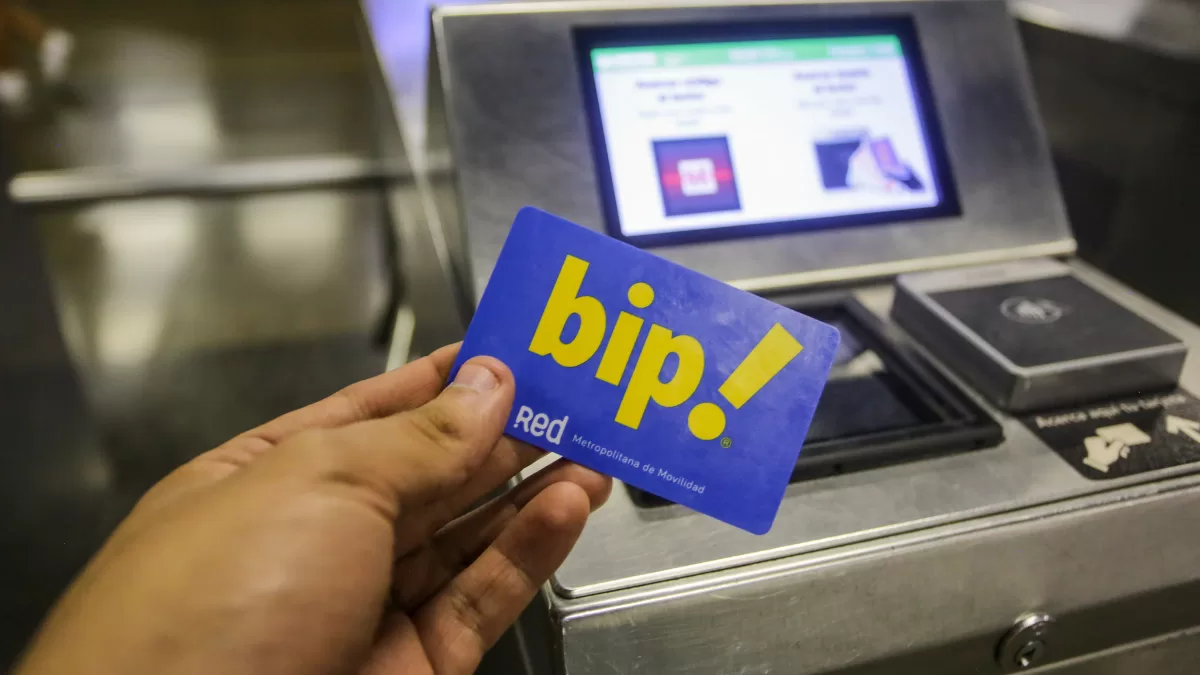
Navigating Santiago's public transport system requires a bit of planning, especially when it comes to payment. The most common method is the Tarjeta bip!, a rechargeable card used across buses, the Metro, and the Nos train. You can buy one for CLP 1,550 and top it up with a minimum of CLP 750 at various stations and authorised vendors. Be aware that some machines, especially at the airport, may overcharge, so it's wise to check your balance regularly.
Since February 13, 2026, paying directly with contactless Visa or Mastercard has become an option, making it easier for visitors who might not want to invest in a bip card for a short stay. However, note that some buses only accept bip or QR payments, so having a backup method is advisable.
For those who prefer digital solutions, there are app options available. These apps often allow you to manage your balance, find routes, and even pay via QR codes. Just ensure your phone is equipped with a local SIM card for seamless connectivity. You can read more about getting a SIM card here.
Keep in mind, if your bip card remains unused for several years, the balance might be voided due to inactivity. A regular check and occasional use should keep your card active and your balance intact.
How does the integrated fare system work?
Santiago's public transport system uses an integrated fare model that simplifies moving around the city. When you tap your Bip card at the start of your journey, you're granted two hours to complete your trip and make up to two transfers without incurring additional charges. This means you can hop from a bus to the Metro, or even onto the Nos train, all under one initial fare.
When you board your first mode of transport, the clock starts ticking. You have 120 minutes to reach your destination, which allows for a fair amount of flexibility, especially during off-peak hours. However, be mindful of potential hiccups like buses that only accept Bip or QR codes, and Metro recharge machines that might be out of service on weekends.
The integrated fare is particularly handy for those planning to explore various parts of Santiago without worrying about individual ticketing for each leg of the journey. Just remember that while the integrated fare system makes it easier to transfer between modes, keeping an eye on the time can save you from unexpected charges if you exceed the two-hour window.
How to use buses, Metro, and the Nos train together
Navigating Santiago's public transport system effectively means mastering the art of using buses, the Metro, and the Nos train in harmony. Each mode has its strengths, and knowing how to combine them can make your journeys smoother.
Start with the Metro. It's the backbone of Santiago's transit network, known for its speed and reliability. During peak hours, trains can get crowded, so aim to travel outside of these times if you can. The Metro covers most of the city, and stations are typically well-signposted, even for those who don't speak Spanish.
Buses, part of the RED system, fill in the gaps that the Metro doesn't cover. They operate extensively across the city, often reaching areas the Metro doesn't. However, note that some buses only accept Bip cards or QR codes, so having one is essential. Buses can be less predictable in terms of timing, especially during rush hours, so allow for some flexibility in your schedule.
The Nos train is your go-to for longer journeys south of the city, connecting Santiago with its southern suburbs. It's less frequent than the Metro, so check the schedule in advance to avoid long waits. The Nos train integrates with the Bip system, making transfers straightforward if you plan your route carefully.
To avoid common issues:
- Check your Bip card balance regularly, as some machines may be out of order, especially on weekends.
- Recharge your card at Metro stations or convenience stores like Lider or Unimarc. Avoid relying solely on airport machines as they might overcharge.
- Plan your connections by using apps like Moovit or Google Maps to get real-time updates on routes and schedules, reducing the chances of missing a connection.
By understanding how these three modes of transport interact, you can move around Santiago with ease. For more detailed information on the Metro system, see our Metro guide.
What's the easiest option if I don't speak Spanish?
Navigating Santiago's public transport without Spanish proficiency might seem daunting at first, but it’s entirely manageable with a few simple strategies. First, consider using the Bip card, which is a universal ticket for buses, the Metro, and the Nos train. It simplifies the process as you won’t need to communicate with drivers or station attendants about fare or change. Just tap and go.
When it comes to directions, most stations and bus stops have signage that includes basic English translations. However, having a translation app handy can be a lifesaver. Google Translate, for instance, can help you understand signs and even have basic conversations if needed.
Another tip is to download public transport apps like Moovit or Google Maps, which offer real-time updates and route suggestions in English. They can guide you through the city with ease, showing you the best options for your journey, including transfers and walking directions.
If you’re feeling unsure, try to travel during off-peak hours when stations and buses are less crowded. This gives you more time to read signs and make decisions without the pressure of a bustling crowd.
Lastly, don't hesitate to ask for help. Many Santiaguinos are friendly and willing to assist, especially if you approach them with a smile and a simple 'Hola, ¿hablas inglés?' You might be surprised by how many locals are eager to practice their English.
Where can I find more information?
Frequently Asked Questions
No, you can't use cash to pay for buses in Santiago. Payment is made using a Bip card or a QR code from a compatible app. Make sure to have one of these options ready before boarding.
You can recharge your Bip card at Metro stations, convenience stores, and some kiosks. Be aware that recharge machines at Metro stations might be out of order during weekends, so plan ahead.
If your Bip card is inactive for an extended period, the balance might be voided. It's best to use it regularly or check its status if you've been away for a while.
Yes, airport machines may sometimes charge higher rates for Bip card purchases. Consider buying or recharging your card in the city to avoid this issue.
Yes, there are discounts available for students and seniors on Santiago's public transport. You will need to apply for a special card that verifies your status to benefit from these reduced fares.