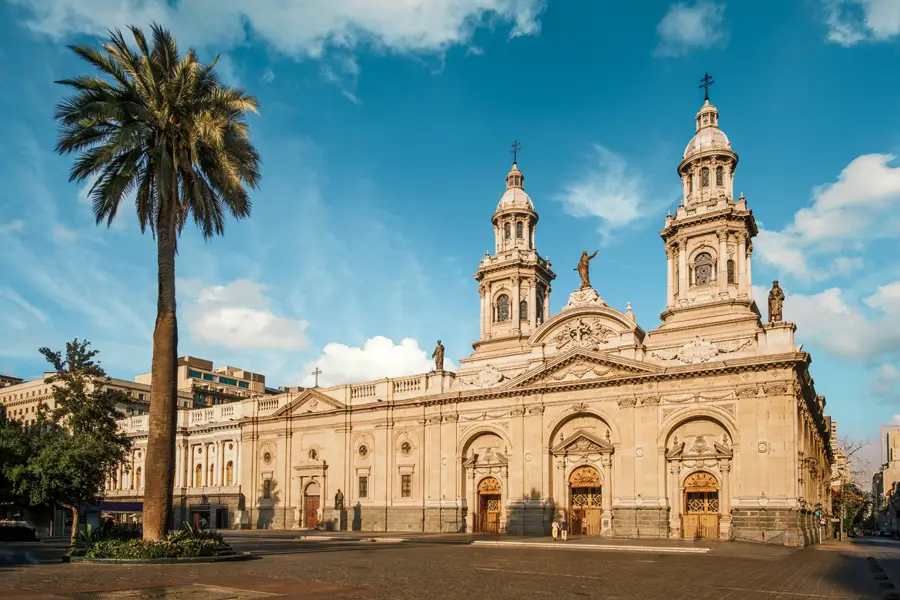
Imagine you're standing smack dab in the heart of Plaza de Armas, the vibrant hustle and bustle of Santiago swirling around you. The Andes cast their watchful gaze, and you're thinking, "How do I tackle Santiago's public transport like a pro?" Let me tell you, getting around Santiago's public transport is a bit like learning to dance salsa—awkward at first, but soon you'll be grooving with the best of them.
A Quick Summary of the Article
How do I buy a Bip! card in Santiago?
You can grab a Bip! card at any metro station or authorized shop in Santiago. It'll cost you around 1,550 pesos. Load it up with as much as you need for your trips.
What is the best way to get around Santiago?
Jump on the metro. It's quick, reliable, and covers most of the city. Buses? They're great for spots the metro doesn't reach. And yes, both accept the Bip! card.
Is the Santiago metro safe for tourists?
Yes, the Santiago metro is generally safe. But, like any big city, it's wise to stay aware and keep an eye on your belongings. Peak hours? Best to dodge them. Trains get crowded.
Can I use the Bip! card on both buses and the metro?
You bet. The Bip! card works on both buses and the metro in Santiago. It's a convenient way to pay for public transport without needing cash.
What are the peak hours for public transport in Santiago?
Peak hours? They're usually from 7:30 to 9:00 AM and 6:00 to 8:00 PM on weekdays. Expect crowded trains and buses during these times. Plan ahead.
Understanding Santiago's Public Transport System
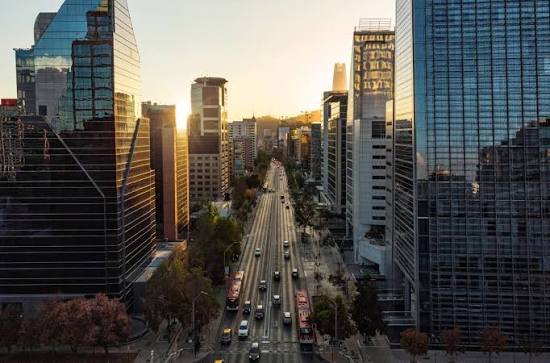
Alright, let's jump into the lively world of Santiago's public transport. Imagine yourself on Avenida Libertador Bernardo O'Higgins, watching the city's pulse in action. Santiago never stops. Whether you're exploring the underground tunnels of the Santiago metro or enjoying a breeze on the city buses, each mode has its own vibe and quirks.
First up, the Santiago Metro. It's the star of the city's transport system. With its sleek trains and over 100 stations, it's the fastest way to zip across town. It runs smoothly from 6 AM to 11 PM. But watch out for peak hours: 7:30 to 9 AM and 6 to 8 PM, when it's as packed as a can of sardines. If you ask me, it's perfect for dodging the city's infamous traffic.
Then there are the Santiago buses. They're like the city's veins, reaching into neighborhoods the metro doesn't cover. They're great for getting a sense of the city's rhythm. But a bit unpredictable, like your Wi-Fi during a Netflix marathon. Best to steer clear during rush hour unless you enjoy playing human Tetris.
Finally, taxis. They're the jokers in Santiago's transport deck. Handy and available at all hours, they're perfect for late-night adventures or if you just can't deal with the crowds. Just keep an eye on the meter, and brace yourself for a bumpy ride over the city's cobblestone streets.
Each mode has its charm. Knowing when to use which is key to becoming a public transport Santiago pro.
Buying and Using a Bip! Card
 Photo: MART PRODUCTION / Pexels
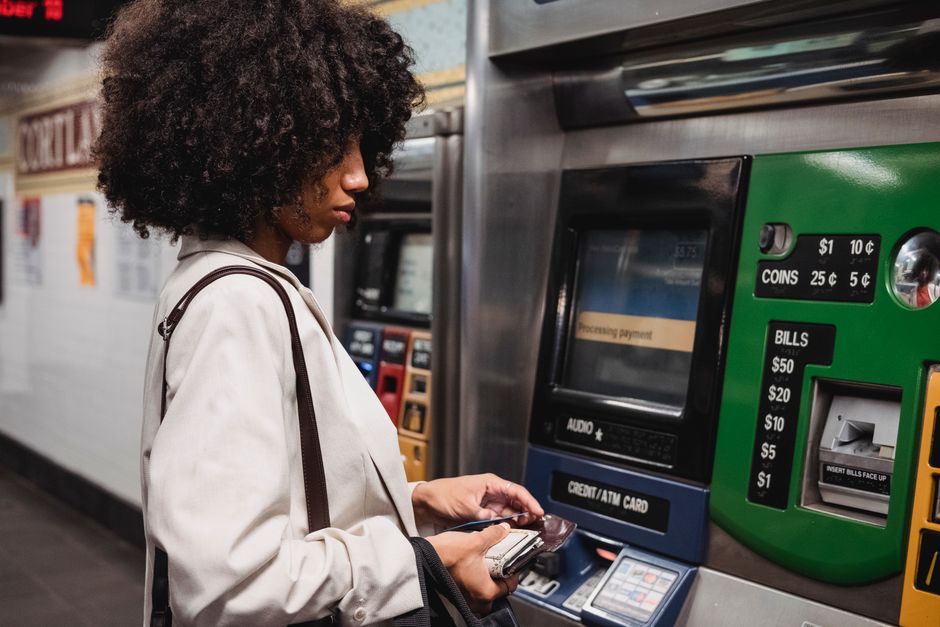
If you want to get around Santiago like a local, you'll need the trusty Bip! card. It's your key to the city's public transport system. You can grab one at metro stations, supermarkets like Lider, or those little convenience stores dotted around town. It typically costs about 1,550 pesos, which is a small price for the freedom to explore the city.
Got your Bip! card? Awesome. Now you need to add some Chilean pesos to it. You can top it up at any metro station or those convenient Bip! machines. They're as common as stray dogs in Plaza de Armas. Just feed the machine a few pesos and watch your balance grow faster than your love for empanadas.
Using the Bip! card is simple. Tap it on the card reader when you get on the metro, bus, or any other public transport. It's like magic, or at least as close as it gets in public transport. The card automatically deducts the fare, letting you switch from a metro to a bus without breaking a sweat. For more details on Using a Bip! Card, check out the link.
Navigating the Santiago Metro
 Photo: Ercan uğur Yaşar / Pexels
Ah, the Santiago Metro. It's like a maze underground with its own music of whooshing trains and the occasional street performer. It's the city's main artery, moving people all around while keeping things cool below the surface. The lines you'll want to get familiar with are Line 1 (Red) and Line 2 (Yellow). They zip you through the heart of Santiago. Want to see the big attractions? Get off at Baquedano for some culture, or Universidad de Chile for shopping.
Figuring out the metro map is like playing Tetris. Once you get that first piece right, the rest just fits. The map might look tricky at first, but focus on the colored lines and the names of the last stations. They'll point you in the right direction. Watch for interchanges like Los Héroes station, where you can change lines without much hassle.
Staying safe on the metro? It's like picking the right salsa at a Chilean BBQ, being a bit careful is smart. Keep your stuff close, especially during rush hour. You'll feel like a sardine in a can. Feeling lost or need a quick update? The Santiago Metro Lines guide is your buddy for everything about the metro lines in Santiago. And remember, a smile and a little Spanish can open more doors than you'd think, even if those doors are closing on a crowded train.
Getting Around Santiago by Bus
 Photo: Joaquin Carfagna / Pexels
Ah, the Santiago bus system. It’s like a giant, rolling puzzle. Crack the code, and it's a fantastic way to see the city. The first thing you’ll notice? The impressive array of bus numbers. They're not random digits; they're your new best friends. Each number corresponds to a specific route. Decipher them with trusty apps like Moovit or Google Maps. Trust me, figuring out Santiago bus routes without them is like trying to assemble IKEA furniture without the instructions. Don't even try.
For tracking down your bus schedule, those apps are your golden ticket. Seriously. They'll show you the nearest stops, tell you when the next bus is rolling up, and even alert you to disruptions. Worried about language barriers? Don't be. These apps are as bilingual as a Chilean street vendor selling completos to tourists.
Now, for a comfy ride, let's talk strategy. First, aim to board at quieter times. Morning rush hour in Santiago? It’s like a rugby scrum, elbows everywhere. Second, have your Bip! Card ready. It’s your magic pass for all of Santiago’s public buses. Need one? Check out Using a Bip! Card. Finally, grab a window seat if you can. The views of the Andes peeking over the cityscape? Worth the fare alone.
With these tips, you’ll soon be breezing through the city like a local. Curious about the finer points of each route? Dive deeper into Santiago Bus Routes.
Tips for Tourists Using Santiago's Public Transport
 Photo: El gringo photo / Pexels
Imagine yourself at a busy bus stop on Avenida Providencia. The Andes are peeking over the skyline. A friendly local nods at you. Ready to brave Santiago's public transport? Hold on tight. A few tips will make all the difference.
First, let's talk about what to avoid. Many tourists get caught in Santiago's rush hours. If you value your personal space, avoid the morning and evening crowds. And please, don't be the one searching for cash. Grab a Bip! card. It's your ticket to a smoother ride. For all the details, check out our guide on Using a Bip! Card.
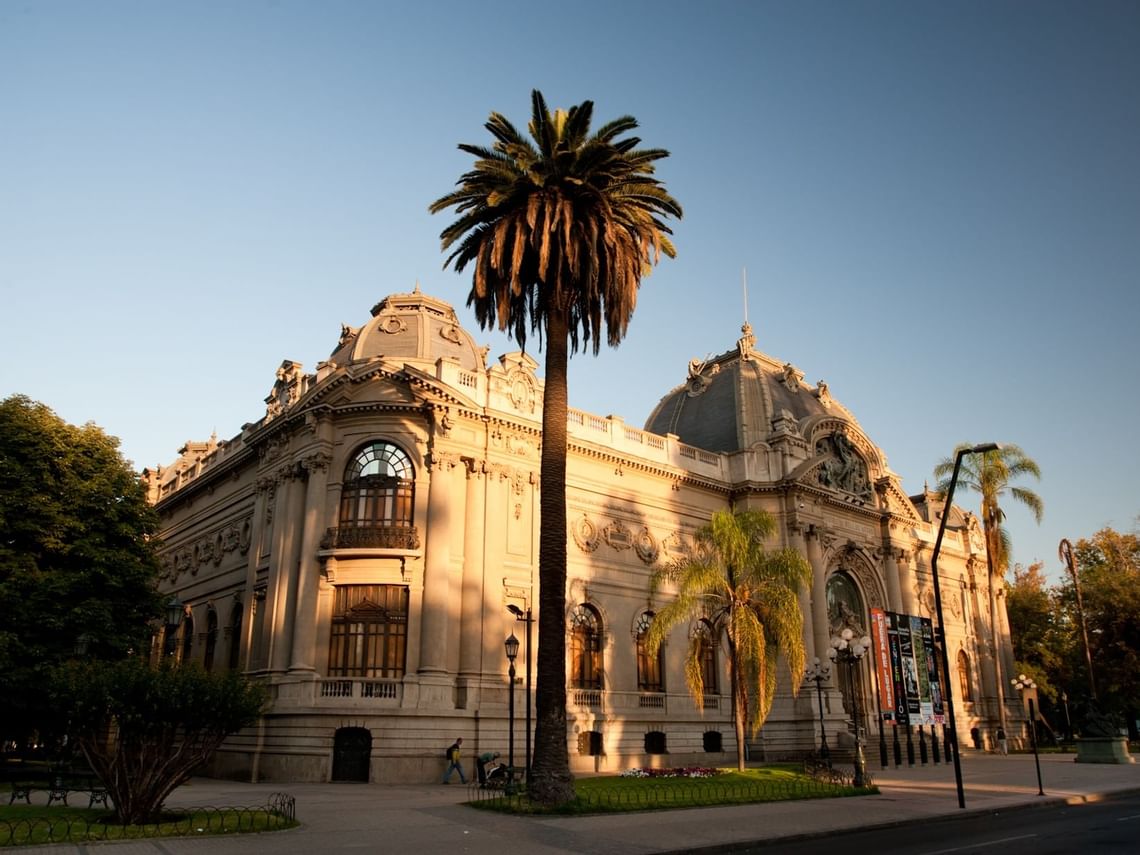
Now for the fun part, discovering Santiago's gems. The metro is your best friend for visiting Tourist Attractions in Santiago. From hopping off at Bellas Artes for a dose of culture to riding out to Cerro San Cristóbal for breathtaking views, the metro is your trusty steed.
If you don't speak Spanish, here’s a tip. A few key phrases will go a long way. "¿Dónde está?" (where is) should be your go-to for directions, and "gracias" (thank you) is always appreciated. Google Translate can be your backup if needed.
So, there you have it. Keep that Bip! Card topped up, and before you know it, you'll be weaving through Santiago like a seasoned commuter. It’s not just about getting from A to B, it’s about soaking in the city’s vibe along the way.
"Public transport in Santiago is not just a way to move around. It's a way to experience the city's pulse and rhythm, a dance of its own."