

- ID Required
- Passport and RUT
- Digital Accounts
- Quick setup
- Residency
- Not always necessary
- Common Mistake
- Tourist visa sufficiency
Can I open a bank account in Chile as a tourist?
If you're visiting Chile as a tourist and hoping to open a bank account, you'll need to navigate some specific requirements. By law, Chilean banks require a valid passport and a Rol Único Tributario (RUT) to open a current account. The RUT is a tax identification number essential for various transactions in Chile. However, having these documents doesn't automatically guarantee you a bank account.
Banks in Chile often view foreign tourists as high-risk clients. This perspective means that tourists face stricter onboarding procedures compared to those with resident visas. Even if you manage to gather the necessary documents, including a passport and RUT, you'll also need to provide a domiciled address in Chile or appoint a local agent who can receive legal notifications on your behalf. Without these, your chances of opening an account are slim.
For tourists who are considering a longer stay or frequent visits, setting up a Cuenta Vista might be an option worth exploring. While this account is typically used for everyday payments and electronic transfers through the Redbanc network, it still requires meeting the basic documentation criteria. Ultimately, if your stay in Chile is short, relying on international banking services might be more straightforward. For more on how your visa status affects banking options, see our Chilean Visas and the RUT guide.
What documents do I need to open an account?
Opening a bank account in Chile as a foreigner involves a few specific steps, starting with gathering the right documents. First on your list should be a valid passport. Chilean law requires the original passport for identification, so make sure it's up-to-date and ready for presentation.
Next, you'll need a Rol Único Tributario, or RUT. This is the Chilean tax identification number, and it's essential for most financial activities, including opening a bank account. If you're not planning on gaining residency, you can still obtain a RUT through an agent before arriving in Chile. This step is crucial, as the RUT is a non-negotiable requirement.
Proof of address in Chile is also mandatory. This could be a utility bill, rental agreement, or any official document that verifies your residential address in the country. Banks need this to establish your domicile, so ensure the document is current and clearly shows your address.
Finally, while not part of the mandatory documentation, understanding the local banking landscape is beneficial. Electronic transfers are common, and the Redbanc network is widely used for transactions. Many expats opt for a Cuenta Vista for everyday payments, providing a practical solution for managing daily expenses.
Which banks offer accounts to foreigners?
Navigating the Chilean banking scene as a foreigner can feel like trying to find your way through a maze without a map. But don't worry, some banks do open their doors to newcomers, provided you meet certain conditions.
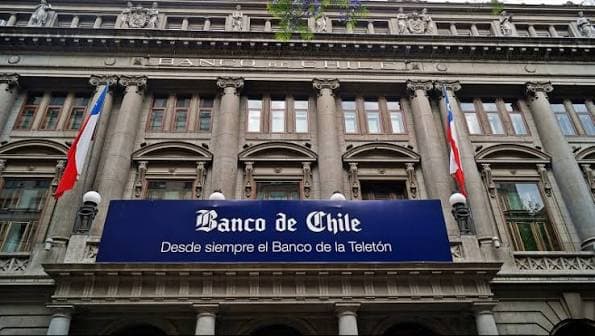
Banco de Chile offers accounts to foreigners, but there are some hoops to jump through. They have income requirements and expect you to demonstrate a year of job stability or a steady income if you don't have residence status yet. This means they want to see that you're not just here for a fleeting visit.
Bci is another option, but they cater specifically to those with residency. To open an account here, you need to show a monthly income of 16 UF (Unidad de Fomento, a Chilean inflation-indexed unit) and maintain a clean financial history. It's a bit like proving you're a sound investment.
Scotiabank Chile sets the bar a bit higher. They require you to be a Chilean or permanent foreign resident, be at least 25 years old, and have a verified local address. Plus, you'll need to declare your income, assets, and financial solvency. It's a bit like applying for a VIP club membership.
While these banks provide pathways for foreigners to open accounts, it's crucial to remember that Chilean banks generally consider foreign tourists as high-risk. Therefore, having some form of residency or a stable financial presence in Chile will significantly smooth out the process. Electronic transfers and the Redbanc network are widely used, and a Cuenta Vista is commonly preferred for everyday payments, so setting up an account can make managing daily expenses much simpler.
What fees should I expect?
Banking in Chile comes with its own set of fees and costs, which can vary depending on the bank and the type of account you choose. If you're looking at opening a US-dollar account with Banco Santander, for instance, you'll need to budget for a fee of 0.08 UF per month. This is a common structure for foreign currency accounts and requires a careful evaluation of your needs.
Most Chilean banks charge monthly maintenance fees for current accounts, and these can add up over time. It's essential to understand what you're signing up for, as some banks might have hidden charges that aren't immediately obvious. For instance, electronic transfers are widely used, but they often come with small fees per transaction, especially if you're transferring between different banks.
Cuenta Vista is a popular choice for everyday payments, offering a more straightforward fee structure. However, it's wise to keep an eye on any charges linked to ATM withdrawals, especially if you're using the Redbanc network extensively.
To get the most out of your banking experience in Chile, consider setting up digital banking. Once your documents are in order, you can open an account online in just a few minutes. Digital banking not only provides convenience but can also help you manage and monitor fees closely. For more on managing living costs in Chile, see The Cost of Living in Santiago.
How to set up digital banking in Chile
Setting up digital banking in Chile is relatively straightforward, provided you have all the necessary documents ready. In many cases, opening a digital account can take just a few minutes. Here’s how to make the process as smooth as possible.
Getting Started
First, ensure you have a reliable internet connection and a smartphone or computer. You'll need these to access online banking services and apps. If you're new to Chile, check out our guide on getting online and SIM cards to ensure you're connected.
Necessary Steps:
- Choose a Bank: Select a bank that offers digital account services to foreigners. Popular options include Banco de Chile and BancoEstado.
- Gather Your Documents: Have your RUT and proof of address handy. These are crucial for opening an account.
- Download the Banking App: Most banks have apps available for both Android and iOS. Download the app and follow the on-screen instructions to set up your account.
Common Practices
Once your account is set up, you'll find that electronic transfers and the Redbanc network are ubiquitous in Chile. Account holders often use 'transferencias' for moving money between accounts and QR-based payments for quick transactions. The Cuenta Vista is a popular choice for everyday payments, offering convenience and ease of use.
By setting up digital banking, you'll have seamless access to your finances, making it easier to manage your money while settling in Chile.
Read Alongside
Frequently Asked Questions
Opening a bank account in Chile typically requires a RUT, which is a tax identification number. Without it, most banks will not allow you to open a traditional account. However, some banks may offer limited services to foreigners with alternative documentation.
A Cuenta Vista is a basic bank account in Chile used for everyday transactions. It allows you to deposit money, withdraw cash, and make electronic transfers. This type of account is popular for its simplicity and ease of access.
Yes, Chilean banks often charge fees for various services, including account maintenance, ATM withdrawals, and electronic transfers. It's important to review the fee structure of your chosen bank to understand the potential costs involved.
Yes, digital banking is widely available and commonly used in Chile. Most banks offer mobile apps and online platforms for managing accounts, making transfers, and paying bills, which are convenient for expats to use.
International money transfers can be done through Chilean banks or money transfer services. Banks typically offer these services, and the process involves providing the recipient's bank details and may include fees and currency conversion costs.