
Reach Thousands
of Santiago
Visitors
List your business and get discovered by visitors ready to eat, stay & explore
The Santiago Guide
Moving to Santiago, step by step
Thinking about making Santiago your new home? This guide helps you navigate the essentials, from visas to settling in, ensuring a smoother transition to life in Chile's vibrant capital.
What visa do I need to live and work in Chile?
To live and work in Chile, you'll need a visa suited to your purpose, such as a Temporary Residence visa for up to one year, renewable once. Processing typically takes 2 to 6 weeks, so plan ahead.
The Expat Guides

Visa Information
Chile is not a difficult country to move to, but its paperwork is strictly sequential and much of it has to start before you arrive.
Banking
Opening an account is the classic first hurdle, and it is less about your money than about your paperwork.
International Schools
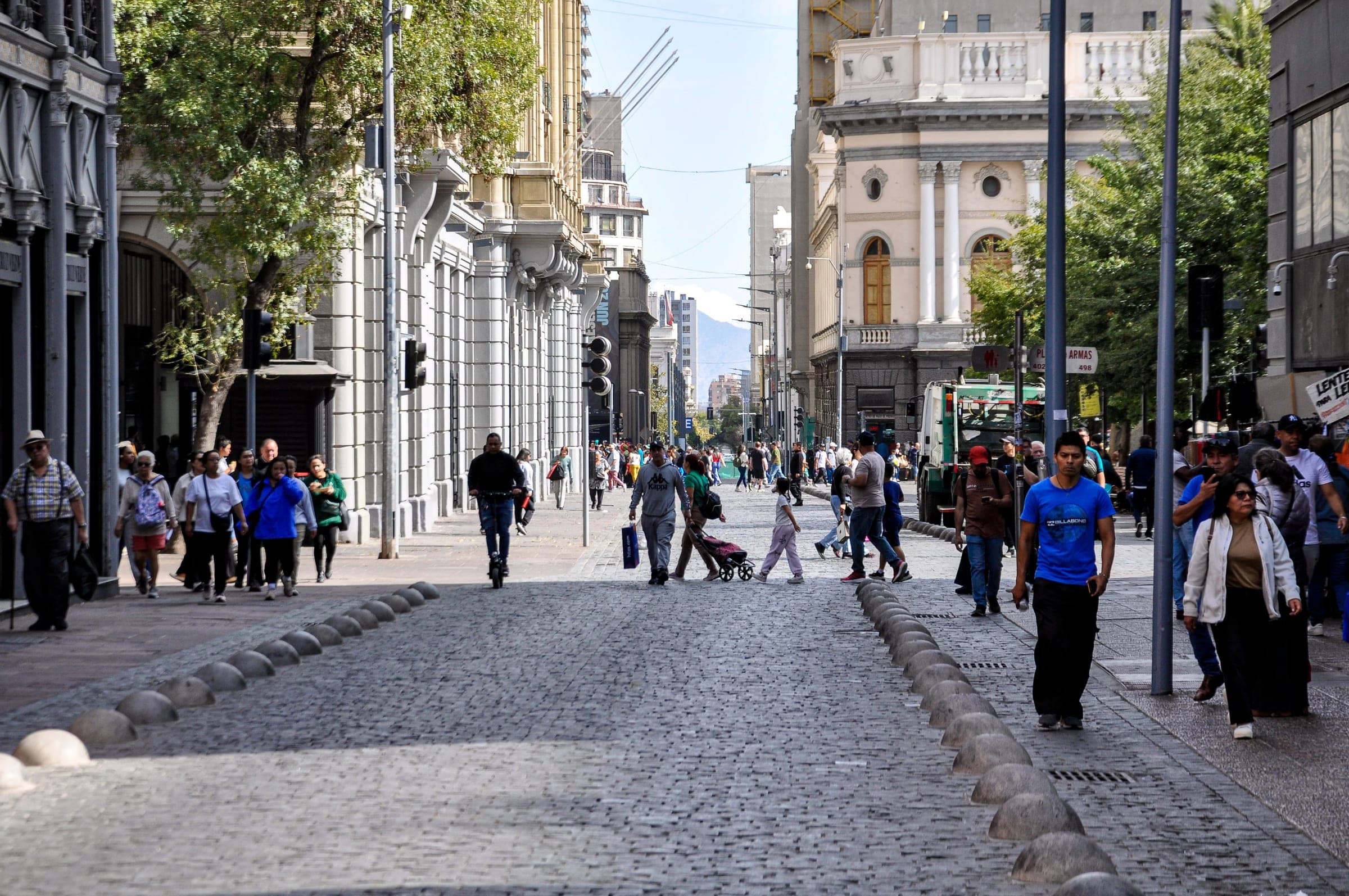
Santiago has an unusually deep bench of international schools for a city its size, with British, American, German, French and IB options.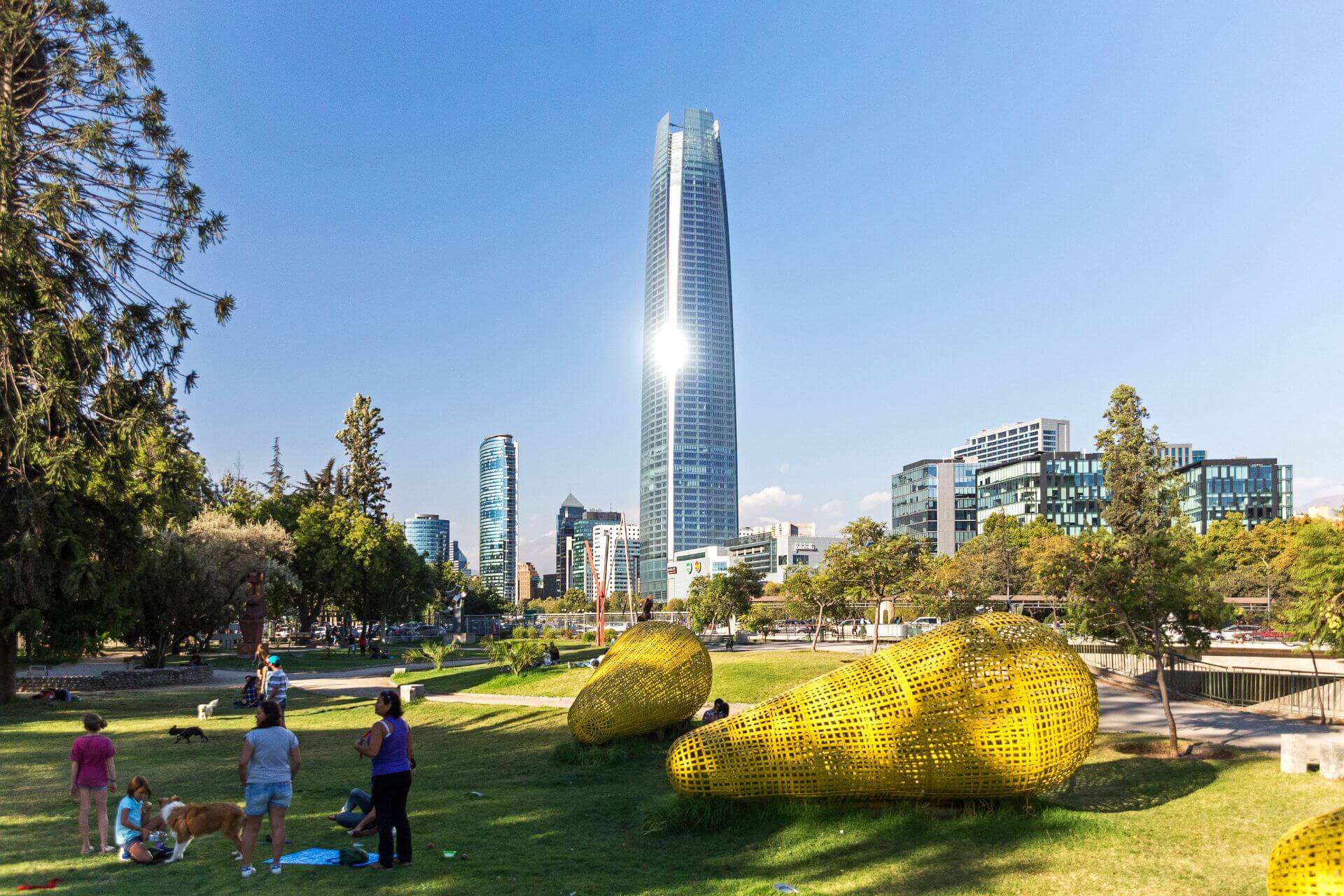
Living in Santiago
Santiago is one of the easiest cities in Latin America to live in and one of the harder ones to fall in love with quickly.
English Speaking Doctors
Chilean private healthcare is genuinely excellent and considerably cheaper than its equivalent in North America or much of Europe.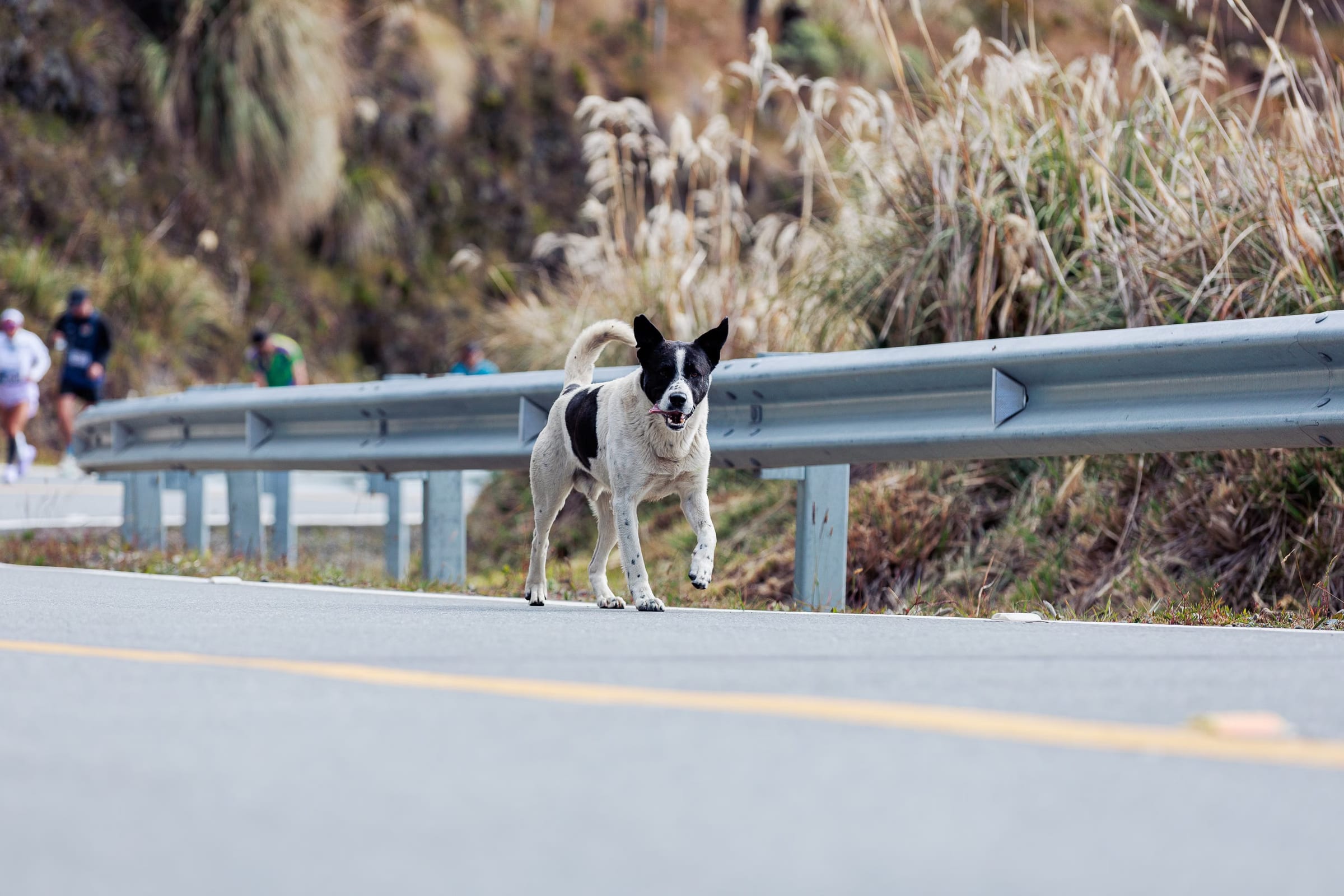
Pet Services
Dogs are everywhere here, in the parks, on the Metro platforms, under café tables and asleep in the sun on half the pavements in the city.What visa do I need to live and work in Chile?
Moving to Chile involves navigating its visa system, which offers several options depending on your purpose for relocation. If you're planning to live and work in Chile, the Temporary Residence Visa is a common choice. This visa is initially granted for up to one year and can be renewed once. It allows you to work and live in Chile legally, making it a practical option for many expats.
Applying for a visa from abroad typically takes between 2 to 6 weeks, so it's wise to plan ahead. However, it's important to note that visa processing should not exceed six months according to Chile's Law 19.880. Once your visa is approved, you'll likely need to visit the Matucana 1223 office in Estación Central for visa stamping and registration with the PDI (Policía de Investigaciones).
For those considering a longer stay or planning to establish a business, there are other visa types available, each with its own requirements and benefits. To ensure a smooth process, it's highly recommended to consult the official Chilean visa information page to find the visa that best suits your needs.
Apostille everything before you leave
Make sure to apostille all your important documents, like birth certificates and diplomas, before leaving your home country. Chilean authorities require this to legally recognize these documents, and handling it beforehand saves you significant time and hassle once you're here.
How do I apply for a RUT or RUN?
Gather your documents
Ensure you have your visa stamped and registered with the PDI. This often happens at the Matucana 1223, Estación Central office.
Visit the SII website
Most people can apply for a RUT online through the Internal Revenue Service (SII) website. Businesses may need to visit an office.
Complete the application
Fill out the required forms with accurate information to avoid delays.
Submit your application
After submitting, individuals typically receive their RUT in a few days.
Apply for a RUN card
Once eligible, apply for the RUN card, which takes 30 to 45 days to be issued.
How far do you get without Spanish?
Landing in Santiago without a grasp of Spanish is a bit like jumping into a swimming pool without knowing how to swim. It's possible, but you'll find yourself splashing around until you get the hang of it. Santiago is a vibrant city with a lot to offer, but English isn't as widespread as you might hope.
Navigating the city can be a challenge when street signs, menus, and even metro announcements are predominantly in Spanish. While many Chileans are welcoming and patient, especially in tourist areas, it's best not to rely solely on finding English speakers. A basic understanding of Spanish will go a long way in everyday interactions, whether you're ordering food, asking for directions, or haggling at a market.
For those without Spanish skills, technology becomes your best friend. Translation apps like Google Translate can be lifesavers, turning your smartphone into a pocket interpreter. Additionally, language exchange meetups and classes are popular and can offer both a social and educational experience. While it's entirely possible to get by without Spanish, embracing the language can significantly enrich your experience in Santiago.

EXPLORE THE SANTIAGO GUIDE BLOG
Stories, guides & local insights from Santiago

Find Traditional Chilean Cuisine in Santiago
Wandering through Santiago's food scene is like embarking on a treasure hunt where each bite is a clue to the city's vibrant soul. From the comforting embrace of pastel de choclo to the bustling energy of La Vega Central, this read is your backstage pass to authentic Chilean flavors. So, grab a fork and dive in—your taste buds are in for an adventure!
8 min

Top Museums in Santiago for First-Timers
Strolling through Santiago's vibrant streets is like flipping through a living history book, with each museum offering a chapter that vividly brings Chile's rich heritage to life. From stunning art pieces to poignant historical narratives, these cultural gems invite first-time visitors to dive deep into the city's soul. Grab a map, lace up your comfiest shoes, and prepare for an adventure that will leave you both enlightened and inspired.
8 min
Best Places to Catch a Sunset in Santiago
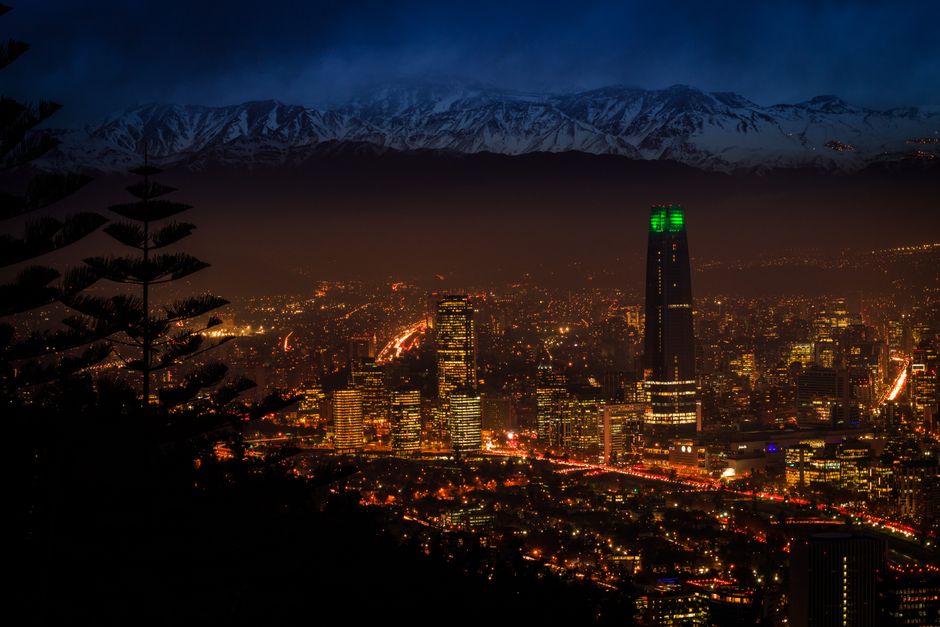
Imagine the sky melting into a Bob Ross painting right before your eyes, and you're there with your camera, ready to catch every hue. That's the magic of Santiago's sunsets, where spots like San Cristóbal Hill and Bicentennial Park turn into your personal viewing gallery. Whether you're an adventurer climbing for the view or a family setting up a picnic, these places promise a sunset experience that's as unforgettable as the city itself.
8 min

Navigate Public Transport in Santiago Easily
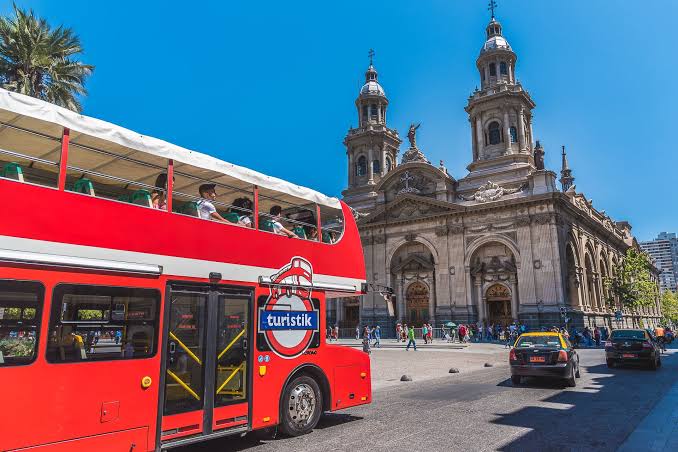
Imagine standing in the spirited buzz of Plaza de Armas, with the Andes giving a nod in the backdrop, ready to conquer Santiago's public transport scene like a seasoned local. Navigating these bustling streets is like mastering a new dance—awkward steps at first, but soon you'll glide through metro stations and bus routes with ease. Whether you're a tourist or just someone needing a crash course in Santiago's transit tango, expect a journey filled with practical tips and a sprinkle of humor to keep you grooving.
8 min
Best Rooftop Bars in Santiago
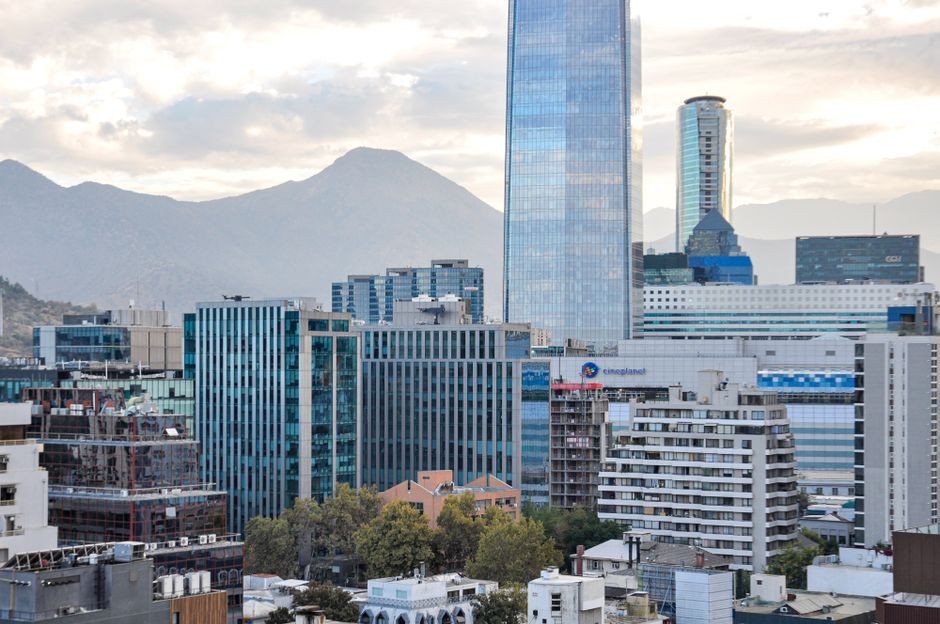
Imagine yourself clinking glasses high above the vibrant streets of Santiago, where each rooftop bar offers a view that could make even a seasoned traveler pause in awe. Think of these spots as Santiago's hidden gems, each one a treasure chest brimming with unique cocktails, lively atmospheres, and breathtaking vistas. Whether you're looking to relax under the stars or dance the night away, these sky-high venues are like Santiago's very own open-air theaters, offering performances that are as unforgettable as they are mesmerizing.
9 min

Best Neighborhoods to Explore in Santiago
Imagine Santiago as a vibrant quilt, each neighborhood a unique patch stitched with its own stories and flavors. From Bellavista's buzzing nightlife to Providencia's shopping spree haven, exploring these areas is like sampling a buffet where each dish has its own spice and flair, leaving you craving seconds. Lace up your walking shoes and prepare for an adventure through Santiago's charming streets, where every turn is a chance to discover something new.
7 min
The Santiago GuideNewsletter
Events, dining, community & hidden gems, curated for people who truly love Santiago.
Join Santiago insiders
No spam. Unsubscribe anytime.